How to Work with Volunteers: Building Engagement, Connection and Community
>>> Commit Training #2
>>> 20–21 November 2026, Berlin
First come, first serve
Deadline: 15 November 2026
What happens when people come together around something they care about, and how can we help that connection grow into lasting engagement?
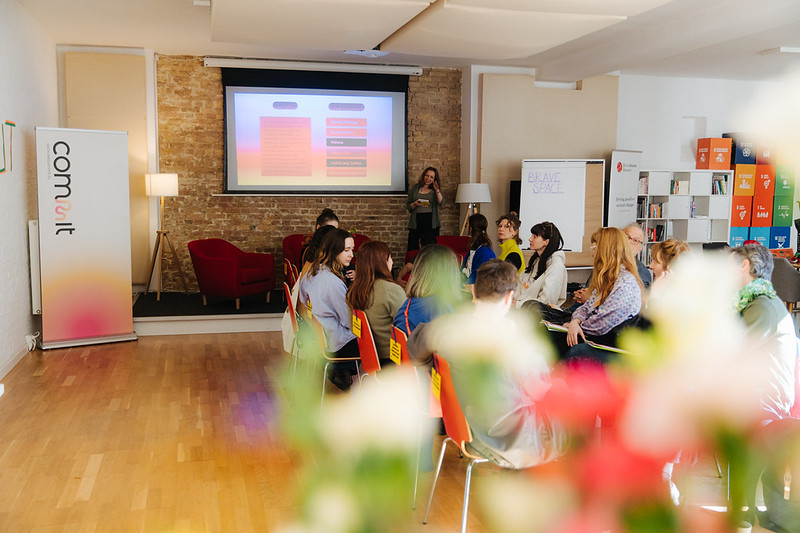
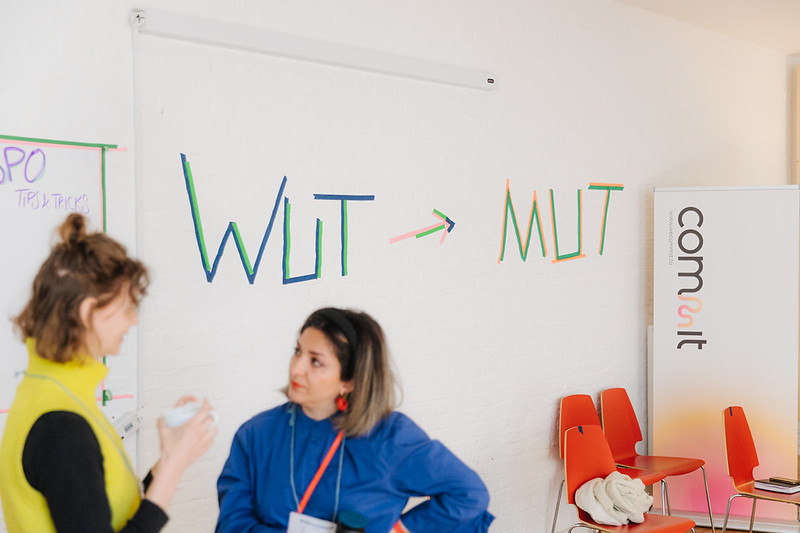
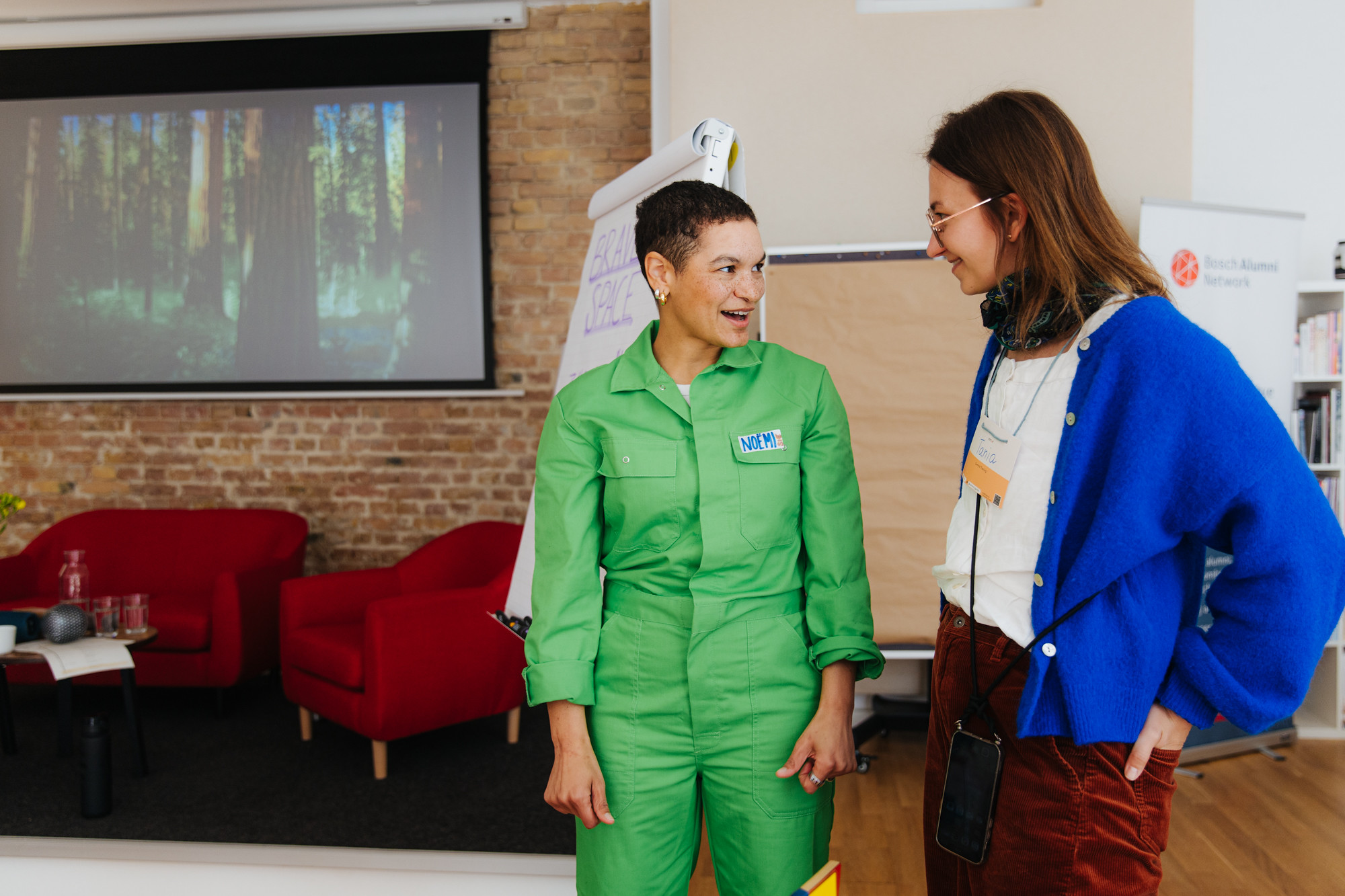
Context
What makes people want to contribute to a community? What happens when people come together around something they care about, and how can we help that connection grow into lasting engagement?
Are you working with volunteers but struggling to find the right people, keep them engaged, or give them the support they need? Are you developing a social initiative and wondering how to get started with volunteers? Or do you have people who are willing to contribute, but aren’t quite sure how to turn that enthusiasm into sustainable engagement?
Volunteering is about more than getting things done. It can bring people together, build relationships across different backgrounds, create a sense of belonging, and strengthen the communities we are part of. At the same time, meaningful engagement needs the right conditions: clear roles, mutual trust, support, and opportunities for people to shape the work they contribute to.
Join us for How to Work with Volunteers, a free, interactive 1.5-day training for civil society organisations, community-led initiatives and emerging social initiatives in Berlin.
First come, first serve
Deadline: 15 November 2026

About the training
Together, we’ll explore how to create meaningful, inclusive, and sustainable ways for people to contribute to our organisations and communities. Through practical tools, peer-to-peer learning, real-life cases and exchange with other practitioners, we’ll reflect on what makes people get involved, what helps them feel that they belong, and how organisations can support their engagement over time.
We’ll also work with the Civil Society Toolbox, exploring practical resources and methods that you can adapt to your own organizational context and continue using beyond the training.
Whether you’re just starting out or already having experience working with volunteers, bring your questions, challenges and ideas. There’s no one-size-fits-all model for volunteering, but there’s a lot we can learn from each other.
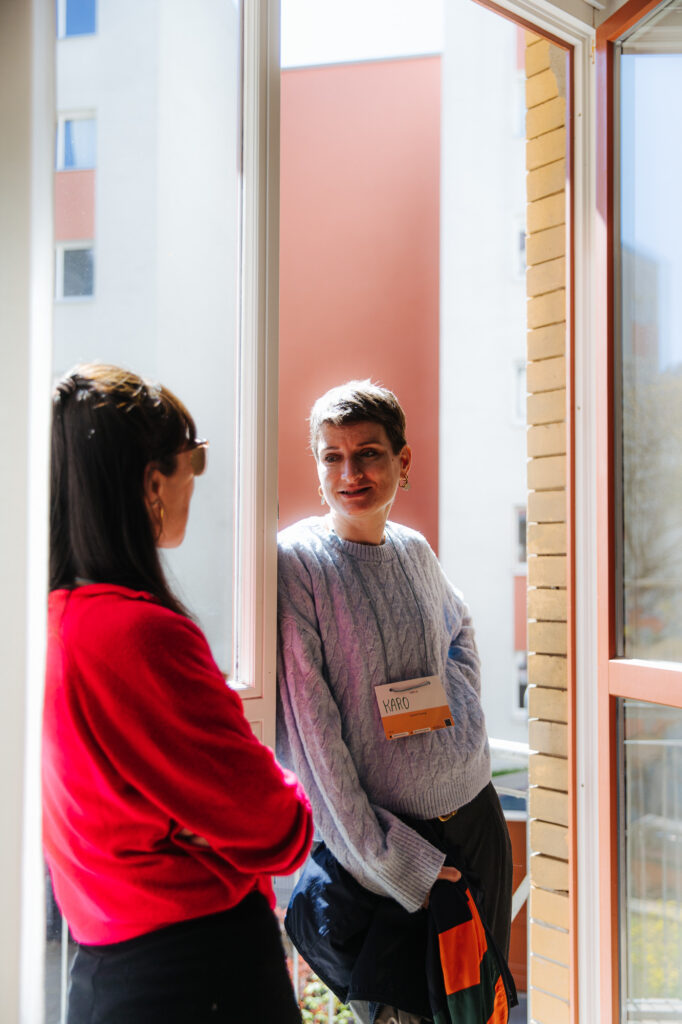

the training covers
🌱 Purpose: Why do we work with volunteers?
Explore how volunteering connects to your organisation’s mission, how people can become active contributors, and how shared purpose can bring communities together.
📢 Recruit: Finding the right people
Discover what motivates people to get involved, how to reach potential volunteers and how to create an invitation that people can recognise themselves in.
✋ Match: Creating meaningful roles
Identify concrete tasks, match people’s skills and interests with organisational needs, and create opportunities for different people to contribute in ways that work for them.
🤝 Support: Creating the conditions to thrive
Explore how to welcome and support volunteers, build trust, foster inclusion and create an environment where people feel valued and connected.
❤️ Recognize & Sustain: Keeping people engaged
Discover ways to appreciate contributions, nurture relationships, strengthen a sense of belonging and sustain engagement beyond the initial enthusiasm.
Throughout the training, we’ll also explore how to make volunteering accessible to people with different backgrounds, languages, skills and availability, and how volunteering can strengthen relationships within and across communities.
This training is for you if:
>>> You coordinate or support volunteers in a civil society organization.
>>> You’re taking on responsibility for volunteer engagement for the first time.
>>> You’re developing a social initiative and want to start working with volunteers.
>>> People are already contributing to your initiative informally, and you’d like to create more opportunities for meaningful participation.
>>> You want to connect with other practitioners, exchange experiences and explore how volunteering can help build stronger communities.
Practical Information

Language:

Cost:
Lunch:
Location:
Dates and Times:
20 November 2026
2:00 pm - 6:30 pm
21 November 2026
9:30 am - 5:00 pm
Costs
Fee Includes:
- Participation in the three-day training
- Materials and an online workbook
- Vegetarian/vegan lunches and coffee breaks
Need Assistance?
If the Supported Fee is beyond your means, email Eva at famulla@mitost.org to inquire about scholarships or non-financial contribution opportunities.
Payment Information
PayPal
commit@mitost.org
Bank Transfer
Commit by MitOst gGmbH
DE20 4306 0967 1254 3061 00
BIC: GENODEM1GLS
First come, first serve
Deadline: 15 November 2026
Your Trainers

Annegret Wulff
Annegret is co-founder and Managing Director of Commit gGmbH, with over 25 years of experience strengthening civil society across Europe and its neighboring regions. She supports organizations in navigating change, developing strategies, and building collaborative and participatory ways of working. As a facilitator trained in Transactional Analysis coaching, she creates spaces for reflection, peer learning, and organizational development. In 2017, she initiated the Civil Society Toolbox and has since co-developed it with partners to support teams in addressing organizational challenges and shaping their own development.
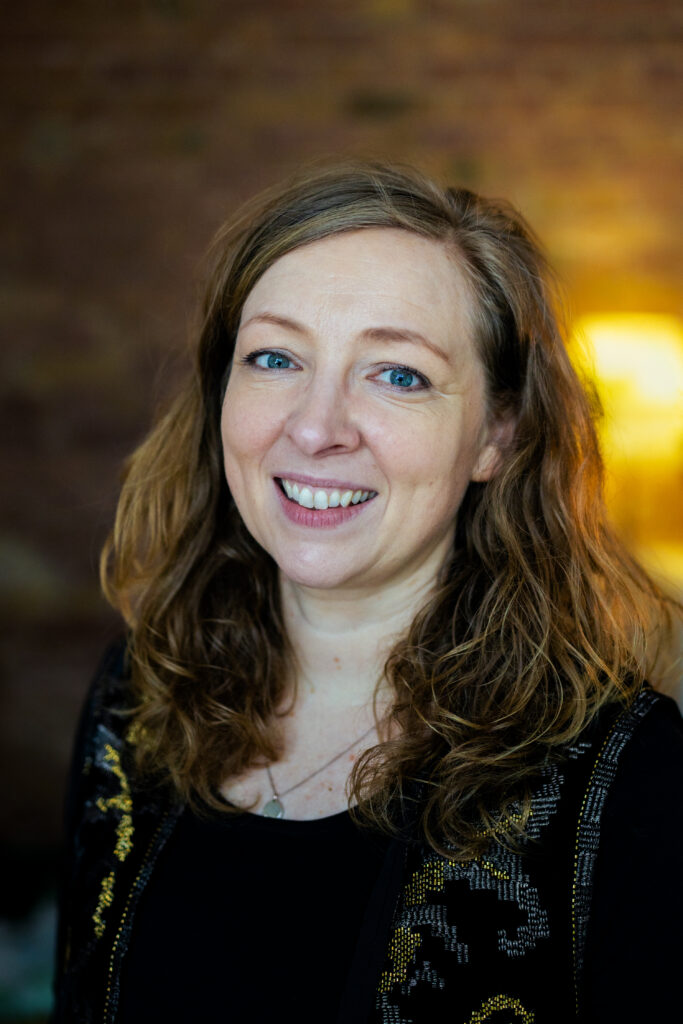
Christina Nuhr
Christina is a Training Coordinator at Commit, where she designs and facilitates participatory learning and dialogue formats, including Commit Trainings and Commit Salons, and manages EU-funded projects supporting civil society and democratic resilience. With ten years of experience in European project management and civil society capacity-building, she is passionate about creating spaces where people can exchange experiences, learn from one another, and develop practical approaches to collective action. She has worked with civil society organisations and partners across Europe, supporting trust-based networks and strengthening their capacity to shape more just and sustainable futures. She also serves as a Board Member of MitOst e.V.

Alice Priori
Alice is a community and process facilitator, Art of Hosting practitioner, and dancer. She is the co-founder and coordinator of CitizensLab e.V., a Berlin-based organization working across Europe to foster deep systemic and cultural transformation.
Alice’s work sits at the intersection of activism, societal change, and experiential learning. She collaborates with groups, collectives, and art residencies, supporting their collective exploration and actions to cultivate cultures of care as new forms of democracy.
Her approach is rooted in relationality, somatics, and decolonial thinking, which she sees as essential for nurturing radical new imaginations. Born in Italy, Alice now lives in Berlin and has lived and worked extensively in the Middle East and across Europe.

Julia Hoffmann
Julia is a scribe and process host. A visual thinker and creative at heart, she co-hosts sensemaking practices that help groups, teams, and individuals tap into their collective intelligence. She finds great joy in bringing visual arts practices into the field of social transformation.
Julia is part of SOCIUS, a Berlin-based organizational development collective, where she supports purpose-driven organizations and their people on journeys toward self-organization, resilience, and regenerative practices. She brings over a decade of professional experience working with nonprofits, municipalities, and EU-level initiatives to foster a more social and connected Europe.

Annegret Wulff
Annegret is the Managing Director of Commit gGmbH and a board member of the association MitOst e.V. She has been with MitOst since 2001, where she – among other projects – co-developed and scaled the Theodor-Heuss-Kolleg to more than 20 countries across Eastern and Central Europe, Turkey, and North Africa.
Annegret is an expert in citizenship education, emerging democracies, capacity building, and fundraising. She is deeply passionate about creating safe spaces that balance chaos and order.

Melinda Varfi
Melinda is a firm believer in the power of communities and is passionately committed to fostering their growth for a more sustainable society. She co-founded Impact Hub Budapest and has been bringing the Art of Hosting practice to life for the past 10 years.
Over the last 5 years, she has focused primarily on participatory democracy initiatives, including citizens’ assemblies, citizens’ forums, and participatory budgeting, both in Hungary and at the European Union level.
For the past 12 years, Melinda has been hosting meaningful conversations on societal, communal, and personal levels, drawing on the support of the Art of Hosting, Theory U, and Trauma-Informed Awareness practices.

Rowan Simonsen
Rowan is driven by a call to build community at local, regional, and global levels, with a focus on resilience, creativity, and fostering meaningful relationships. He is exploring how technology can connect and strengthen transformative learning spaces and is committed to hosting conversations that matter, helping individuals and organizations learn and grow.
Inspired by the potential of systems innovation and a holistic understanding of society, Rowan practices Aikido and stewards the Warrior of the Heart Dojo. This work is part of his dedication to developing practices for engaging with conflict in more creative ways and fostering a culture of peace.
Since 2006, Rowan has worked as an experiential educator, focusing on strategic sustainability, leadership development, and the facilitation of participatory processes. He has had the privilege of collaborating with public and private sectors as well as civil society organizations across Europe, West Africa, and the Americas.
Bring your questions, your experiences, and your ideas. Let’s explore how we can create the conditions for people to contribute, connect, and feel part of something bigger. We look forward to learning and exchanging with you!
The training is organized by Commit gGmbH within the framework of the IDEACT project, co-funded by the European Union. The views and opinions expressed are solely those of the authors.
IDEACT is about people shaping their communities. We support citizens in turning ideas into action, building skills, confidence, and connections. The project focuses on creating inclusive spaces that uplift young people and underrepresented voices, while bringing together grassroots initiatives and decisionmakers.
The project is carried out in partnership with Commit from Germany, SocialFokus from Hungary, and the Social Impact Award Austria, and is funded by the European Union under the CERV program.